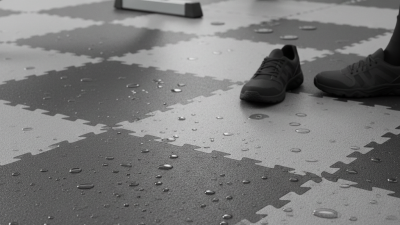
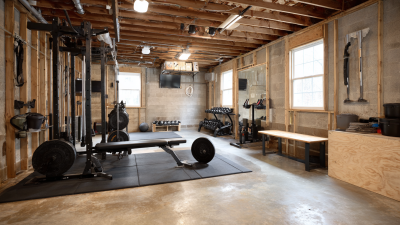
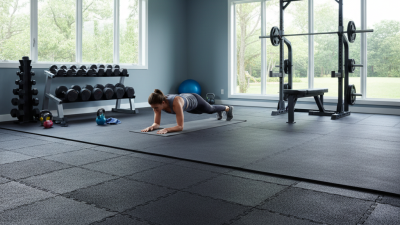
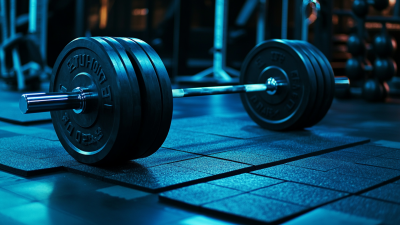
Setting up that perfect fitness space isn't just about throwing stuff together — it takes some real thought, especially when it comes to Gym Flooring. The right kind of floor can make a huge difference in safety, how you perform, and just overall vibe. Picking the right option can feel pretty overwhelming, right? Some folks swear by Rubber Matting Rolls, while others are down with Gym Rubber Floor Tiles. Both have their perks and can suit different needs pretty well.
For example, rubber flooring is awesome at absorbing shocks, so it helps cut down on injuries during those intense workout sessions. Meanwhile, Gym Mats come in all sorts of thicknesses — perfect for things like yoga or Pilates where comfort really matters. Also, think about how busy your gym’s gonna be. If you've got lots of foot traffic, you'd probably want something more durable, like a Gym Rubber Mat.
At the end of the day, choosing your gym flooring is kind of about finding that sweet spot between practicality and style. Honestly, trusting your own experience and what feels right can really help guide your decision. Stick to reliable options like Rubber Gym Mats or Gym Mat Rubber Flooring — it’s worth investing in quality. Keep in mind, the flooring sets the mood in your space, so it’s worth taking your time, weighing your options, and picking what works best for your fitness journey. After all, it’s all about making the space feel just right for you.
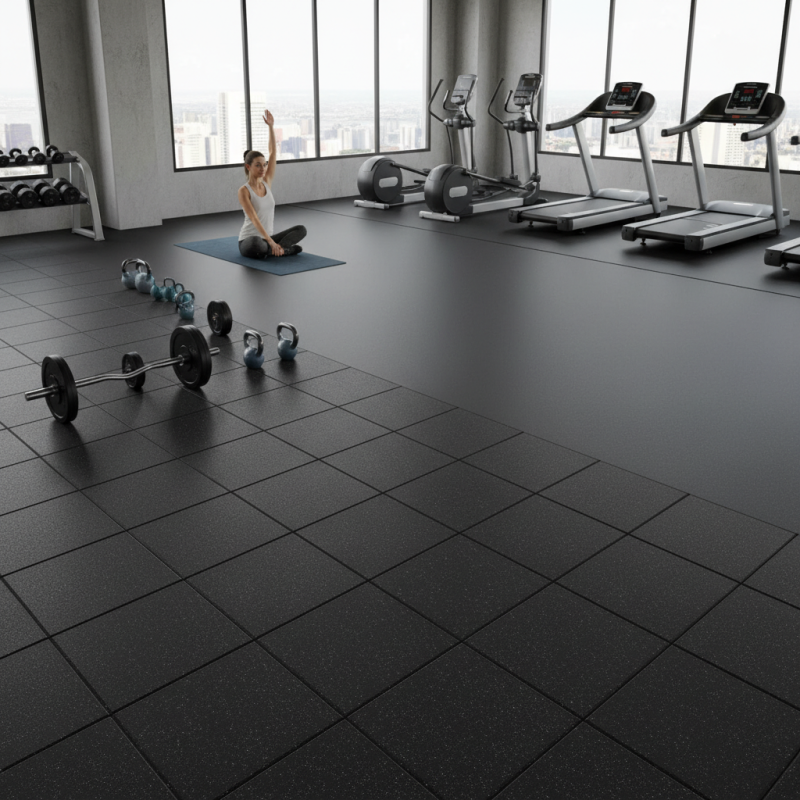
Types of Gym Flooring Materials Available in the Market
When considering the types of gym flooring materials, several options stand out. Rubber flooring is popular due to its durability and shock-absorbing qualities. It can reduce the risk of injuries during workouts. According to a study by the National Institute for Occupational Safety and Health, rubber floors can lessen impact and provide better traction, making them ideal for various fitness activities.
Foam tiles are another common choice. They are lightweight and easy to install, providing a cushioned surface for exercise. These tiles can be particularly beneficial for activities like yoga and pilates. However, foam may compress over time, leading to uneven surfaces. This can pose a risk for high-impact workouts.
Lastly, vinyl flooring is gaining traction for its versatility and moisture resistance. It mimics the look of wood or tile while being softer and easier to maintain. However, some reports indicate that vinyl may not provide adequate cushioning for heavy lifting. As such, it is essential to weigh the pros and cons of each type carefully to create a safe and effective workout environment.
Key Considerations When Choosing Gym Flooring for Fitness Spaces
When selecting gym flooring, several key factors come into play. Safety should be your primary focus. According to the National Institute for Occupational Safety and Health, over 90% of gym accidents stem from slips and falls. Choosing flooring that provides adequate grip and cushioning can significantly reduce injury risks. For high-impact activities, thick rubber flooring, such as Wholesale Rubber Gym Flooring Gym Shockproof Gym Rubber Floor 20mm Rubber Flooring Mat, can provide optimal shock absorption.
Durability is another essential consideration. Research from the American Sports Builders Association shows that quality flooring can last up to 20 years with proper maintenance. It's vital to assess the volume of foot traffic and types of exercises performed in your fitness space. For settings with heavy weights, high-density rubber or vinyl surfaces prove advantageous due to their resistance against wear and tear.
Lastly, look for sustainable options. Many gym owners are now leaning towards eco-friendly materials that minimize environmental impact. However, it's important to balance sustainability with performance. Analyzing the pros and cons of various materials can lead to better choices for your gym space. It’s worth spending time understanding the flooring options you consider.
Best Gym Flooring Options for Your Fitness Space
| Flooring Type | Material | Durability | Cost per Square Foot | Slip Resistance | Maintenance |
| Rubber Flooring | Rubber | High | $2 - $6 | Excellent | Low |
| Foam Tiles | Foam | Medium | $1 - $3 | Good | Medium |
| Carpet Tiles | Carpet | Low to Medium | $2 - $5 | Fair | High |
| Vinyl Flooring | Vinyl | High | $2 - $4 | Good | Low |
| Cork Flooring | Cork | Medium to High | $3 - $7 | Fair | Medium |
Benefits of Rubber Flooring for Gyms and Fitness Areas
Rubber flooring is an increasingly popular choice for gyms and fitness centers. Its unique properties provide significant benefits for workout environments. According to a report by IBISWorld, the gym flooring market has experienced a growth rate of 4.3% annually. This reflects the rising demand for durable and efficient flooring solutions.
Gym rubber floors are known for their
shock-absorbing qualities. This feature helps reduce the impact on joints during high-intensity workouts. A study by the American Journal of Physical Medicine & Rehabilitation found that proper flooring can decrease injury rates by up to
30%. With gym shockproof options available, fitness enthusiasts can train with confidence.
Moreover, rubber flooring is easy to maintain. Unlike carpet, it resists moisture and bacteria. This leads to a cleaner and safer environment for customers. Yet, it’s worth noting that while rubber is durable, it can fade over time, especially when exposed to direct sunlight. Evaluating the lighting in your gym is key. Careful consideration of rubber flooring ensures long-term satisfaction and usability in your fitness space.
Pros and Cons of Foam Gym Flooring for Home Workouts
Foam gym flooring is popular for home workouts due to its comfort and versatility. It provides good cushioning, making exercises like yoga and pilates more enjoyable. The soft surface helps reduce impact, which protects your joints during high-intensity workouts. However, some people find that foam can compress over time, leading to uneven surfaces. This might not be ideal for everyone, especially those engaging in heavy lifting.
Another aspect to consider is cleaning and maintenance. Foam flooring can absorb spills and odors more than rubber options. It requires regular vacuuming and occasional mopping to keep it fresh. Users sometimes regret choosing foam due to its durability issues. If you plan to engage in intense workouts, you might want to explore wholesale gym rubber flooring rolls instead. These options offer more resilience and better longevity compared to foam.
While foam mats are lightweight and easy to install, they may not be the best long-term investment. Consider your workout routine and frequency. If you're working out daily, the wear and tear could become an issue. Sports mat flooring or interlocking tiles might be a more suitable choice for providing stability during vigorous exercises. Reflect on your priorities and choose the flooring that aligns best with your fitness goals.
Advantages of Vinyl Flooring for Multi-Purpose Fitness Areas
When designing a fitness space, selecting the right flooring is crucial. Vinyl flooring offers various advantages that make it ideal for multi-purpose areas. Its durability is one of its standout features. Vinyl can withstand heavy equipment and foot traffic. This resilience ensures the flooring maintains its appearance and integrity over time.
Vinyl flooring is also easy to maintain. A simple mix of water and mild detergent keeps it clean. This feature saves time for busy fitness enthusiasts. Moreover, vinyl comes in various designs and colors. You can create an inspiring atmosphere while meeting functional needs. However, not all vinyl options are created equal. It’s important to choose high-quality materials to maximize longevity.
Tips: Look for vinyl with a thicker wear layer. This adds more protection and durability. Additionally, consider adding a foam underlayment. It provides extra cushioning and reduces noise, enhancing the workout experience. Reflect on your specific needs. Not every flooring solution fits all activities. Careful planning now can avoid future regrets.
The Role of Carpet Tiles in Gym Spaces and Their Benefits
Carpet tiles have gained popularity as an innovative flooring solution for gym spaces. They offer versatility and a unique blend of comfort and functionality. According to a report from the Flooring Industry Association, around 30% of gym owners prefer carpet tiles for their ease of installation and maintenance. These tiles create a comfortable workout environment, reducing the impact on joints during high-intensity training sessions.
In addition, carpet tiles provide excellent sound absorption. This can be crucial in busy gym settings, where noise levels often increase. The National Institute of Health estimates that reducing noise can enhance the workout experience by 20%. However, one must consider the limitations. While carpet tiles offer comfort, they may be less durable than other materials in a high-traffic area. Regular maintenance is essential to prevent issues like mold and bacteria growth, especially in humid environments.
Moreover, selecting the right flooring type can influence user experience. Gym rubber floor rolls, for instance, are known for their durability and waterproof features. They serve as a reliable option alongside carpet tiles. This combination can help create a balanced, functional space. The right flooring blend not only improves aesthetics but also contributes to a safer workout atmosphere. Ultimately, gym owners should carefully weigh their preferences against long-term functionality.
Sustainable Flooring Options for Eco-Friendly Fitness Environments
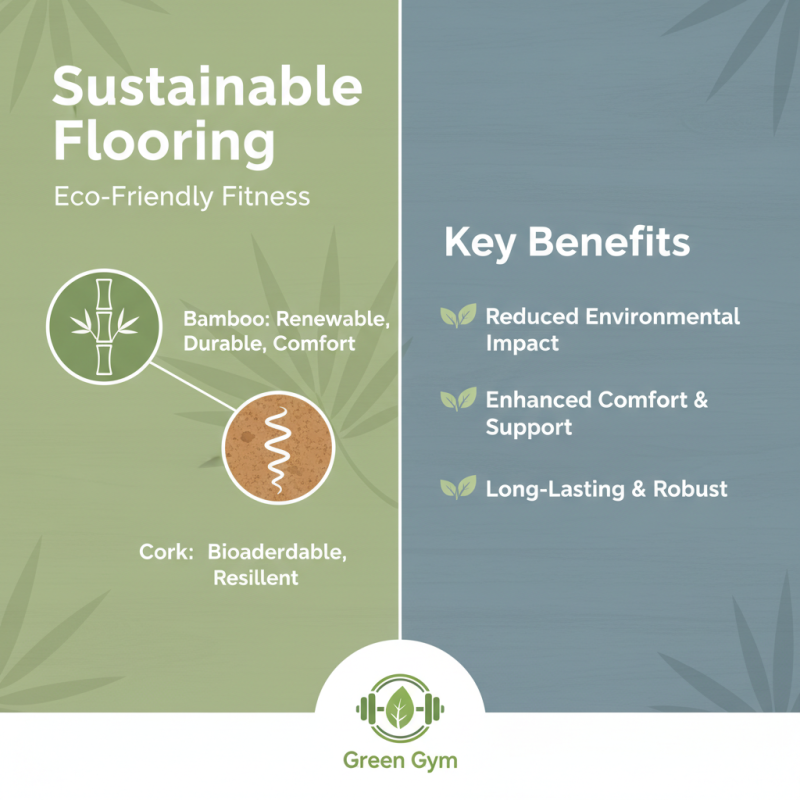
Sustainable flooring options are gaining traction in fitness spaces. Many facilities are prioritizing eco-friendly materials. These options help reduce environmental impact while enhancing the workout environment. Natural materials, like bamboo and cork, are excellent choices. They are renewable and biodegradable. Both provide comfort underfoot and durability for heavy use.
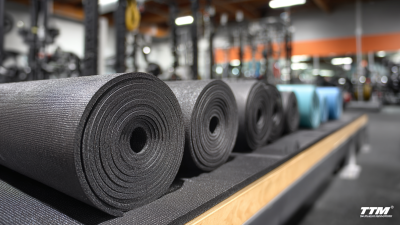
Recycled rubber is another popular option. It's often made from scrap tires, reducing waste. This flooring absorbs impact well, perfect for gyms. However, it’s essential to ensure proper installation for longevity. Some may find rubber to retain odors. Another aspect is the maintenance of these materials. While eco-friendly, they sometimes require special care to keep looking fresh.
Natural carpets, made from wool or other fibers, are also viable. They offer warmth and style, but can be less durable than harder surfaces. These fibers require regular cleaning to avoid staining. Evaluating the right balance of aesthetics, durability, and sustainability can be tricky. It’s crucial for gyms to assess their specific needs and the environmental implications of each option.
Maximize Your Workout: Discover the Benefits of Rubber Tile Pro Gym Flooring High Density
When it comes to maximizing your workout experience, the choice of gym flooring plays a crucial role. High-density rubber tile flooring, particularly designed for strength areas and free weight zones, offers remarkable benefits that can significantly enhance performance and safety. The prominent features include exceptional shock absorption and noise reduction, which are critical for maintaining focus and minimizing distractions during intense training sessions. According to industry data, quality gym flooring can reduce the risk of injury by up to 30%, particularly in environments with heavyweights and high-impact exercises.
The construction of rubber tiles, utilizing a robust 1.8mm SBR roll material for the surface layer, combined with a specialized foam and sole material base, contributes not only to durability but also to superior friction properties. This ensures that athletes can perform their workouts with confidence, knowing that the flooring can support the dynamic movements associated with resistance training. Furthermore, the implementation of advanced HT&HP technology in the molding process significantly enhances the tile's structural integrity, allowing for sustained use under varying conditions and loads.
Investing in high-density rubber gym flooring is not merely a design choice; it aligns with the growing emphasis on safety and performance in fitness facilities. Research indicates that well-designed gym spaces that prioritize flooring are more likely to see higher retention rates, with participants reporting an overall enhanced workout experience. By providing the right support, reducing noise levels, and facilitating a safer environment, rubber tile flooring stands out as an indispensable component in any serious training regime.
FAQS
: Rubber flooring is durable and shock-absorbent. It reduces injury risks during workouts. It provides better traction for various activities.
Foam tiles are lightweight and easy to install. They offer a cushioned surface. However, they can compress over time, creating uneven surfaces.
Vinyl flooring is versatile and moisture-resistant. It mimics wood or tile. However, it may not cushion well for heavy lifting activities.
Yes, carpet tiles offer comfort and sound absorption. This can enhance workout experiences. They are easy to install, making them a popular option.
Regular maintenance is essential for carpet tiles. It helps prevent mold and bacteria growth. This is especially important in humid areas.
Yes, combining flooring types can be beneficial. Rubber floor rolls and carpet tiles can create a functional space. A balanced flooring blend enhances safety and aesthetics.
Conclusion
When selecting gym flooring, it's essential to explore the various types of materials available, including rubber, foam, vinyl, and carpet tiles. Each type has its own unique benefits and drawbacks tailored to different fitness spaces. Rubber flooring is particularly popular for its durability and shock absorption, making it ideal for high-impact activities. Foam flooring offers comfort and cushioning for home workouts, while vinyl presents a versatile option for multi-purpose fitness areas due to its ease of maintenance and variety of designs.
Additionally, carpet tiles can enhance gym aesthetics and functionality, providing warmth and sound dampening properties. For those focused on sustainability, eco-friendly flooring options are gaining traction, ensuring your fitness environment is both practical and environmentally conscious. Ultimately, when choosing gym flooring, key considerations such as functionality, comfort, and aesthetics should guide your decision to create an optimal workout space.