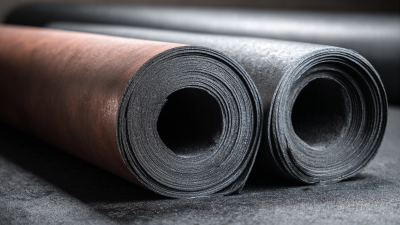
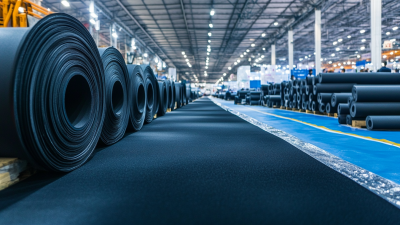
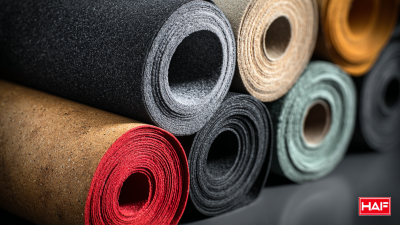
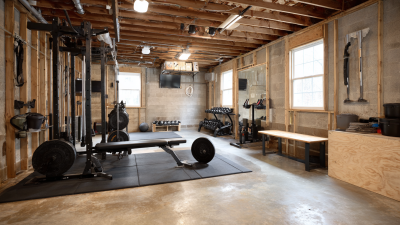
Looking to design a commercial space, especially one for sports or physical training? Then you know that choosing the right flooring really matters. Out of all the options out there, Rubber Flooring Tilestend to be a favorite for many Gyms and training centers. They’re not just tough and safe—perfect for those high-impact workouts—but they also help your space look more inviting and professional.
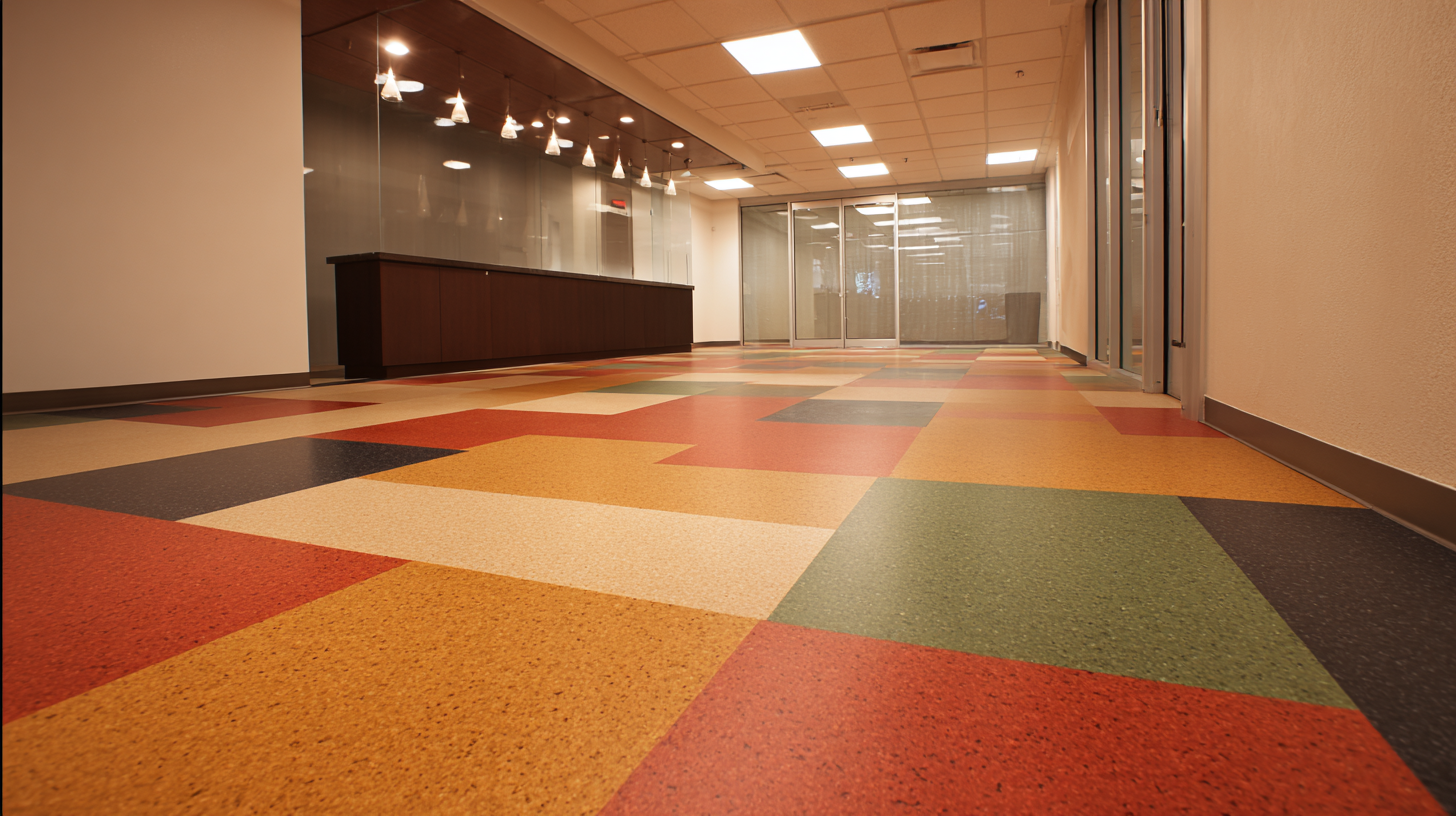
Over at Sanhe Do It The Way Sporting Industrial Co., Ltd., we’re all about creating training environments that are not only high-performing but also stylish and innovative, thanks to our FITFLOR products. This blog’s here to help you pick the perfect rubber flooring tile for your place—so it’s functional, safe, and visually appealing.
Whether you’re setting up a gym, a sports arena, or any kind of fitness space, getting the flooring right can really boost performance and safety. It’s one of those details that’s totally worth giving some thought to!
Understanding the Benefits of Rubber Flooring for Commercial Spaces
Rubber flooring is actually a pretty great choice for commercial spaces — it’s tough, safe, and super easy to keep clean. One of the biggest perks? It’s slip-resistant, which is honestly a lifesaver in busy places where tons of people are walking around. Plus, the cushioned feel of rubber helps take some of the strain off employees who are on their feet all day, making it a comfy option for shops, gyms, and healthcare settings alike.
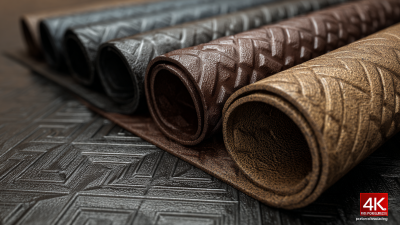
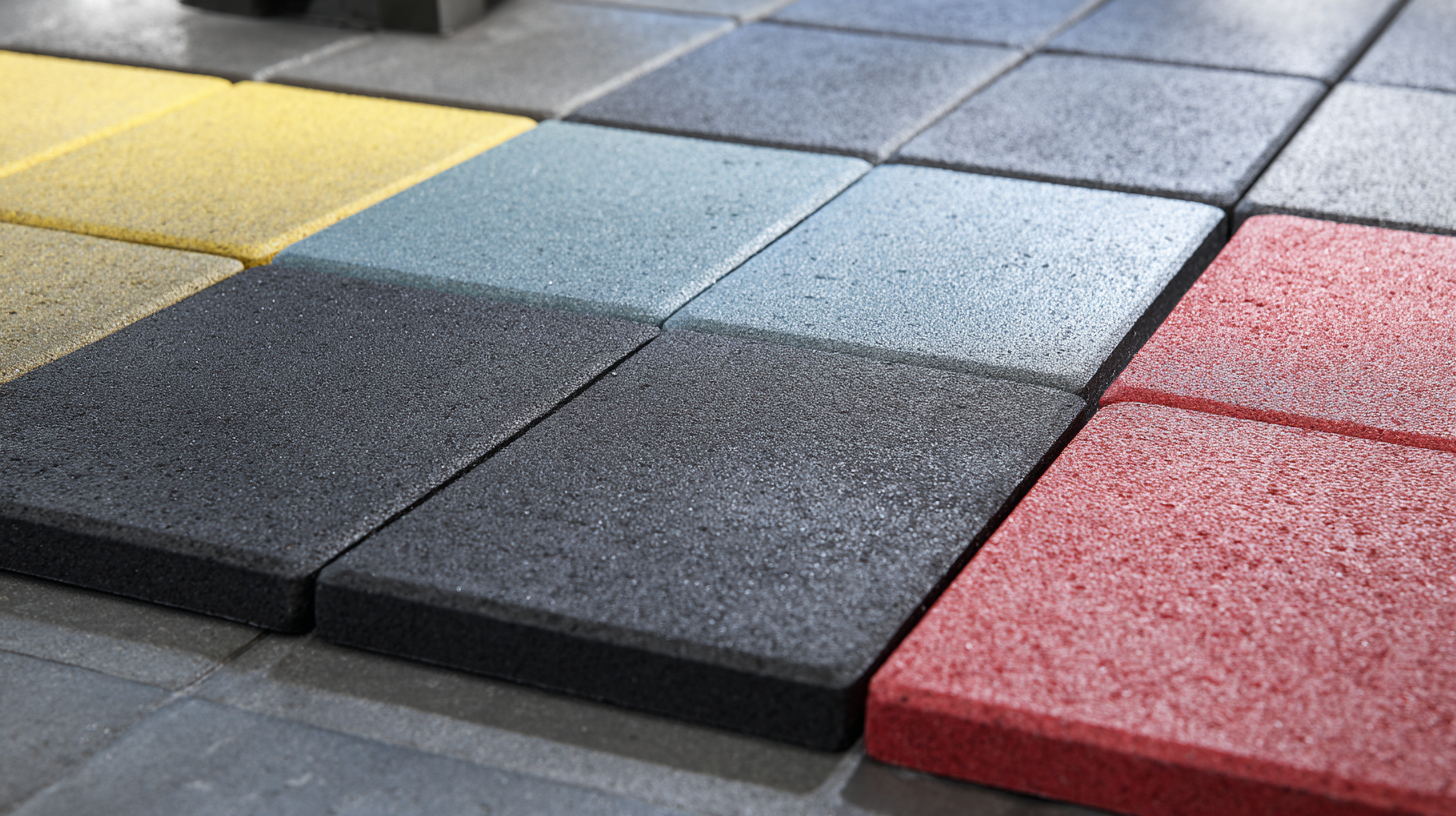
When you’re picking out Rubber Tiles, pay attention to things like thickness and density—that way, you'll find ones that really hold up for your specific needs. Thicker tiles are awesome if you want to absorb impacts—great for gyms—while denser ones work better in high-traffic spots like hallways. And don’t forget to choose a color or style that fits your vibe—luckily, rubber flooring comes in all sorts of designs, so it can really boost your space’s look.
Here’s a little tip: before you commit, it’s a smart idea to test a sample tile in your space. See how it looks and feels underfoot, and also keep in mind that regular cleaning is key to keeping it looking fresh and making sure it lasts longer.
Key Factors to Consider When Choosing Rubber Flooring Tiles
So, if you're on the hunt for rubber flooring tiles for your business space, there are a few things you might want to keep in mind to make sure you pick the right stuff. First off, durability is a biggie. Based on what I've seen and industry chatter, good-quality rubber floors can handle a ton of foot traffic and even heavy equipment — perfect for gyms, hospitals, or retail shops. When choosing, try to find tiles with a high tensile strength and at least 4mm thick wear layers; that way, they’ll last longer and stand up to wear and tear.
Another thing that’s super important is slip resistance. I read a report from the National Floor Safety Institute, and it says rubber floors generally grip better, which cuts down on slips and falls. It’s smart to go for tiles with a coefficient of friction (or COF) above 0.6—especially in busy spots, safety should be a priority. And let’s not forget how it looks — rubber flooring now comes in a bunch of colors and textures, so you can definitely find something that adds a nice touch to your space while staying practical.
Pro tip: Before you pick something, it’s worth ordering a few samples. Touch, feel, check the color — you’ll get a much better idea of how they’ll actually perform in your place.
On top of doing their job, maintenance’s pretty straightforward with rubber floors. They’re generally easy to clean and resist stains. But, of course, sticking to a regular cleaning routine really helps keep them looking fresh for longer.
Another tip: Put together a simple cleaning schedule—daily wipe-downs, weekly deep clean—and your floors will stay looking great, plus you’ll save money in the long run.
Comparing Different Types of Rubber Flooring Options Available
Choosing the right rubber flooring tiles for your commercial space isn't always straightforward, but understanding the options out there can really make a difference. Rubber flooring has become quite popular because it’s durable, slip-resistant, and pretty easy to keep looking good. There’s even a report from the Freedonia Group that says demand for rubber flooring is expected to grow around 5% each year — mainly thanks to new construction and renovation projects in offices, gyms, hospitals, and whatnot. That just goes to show how important it is to pick the right kind for your needs.
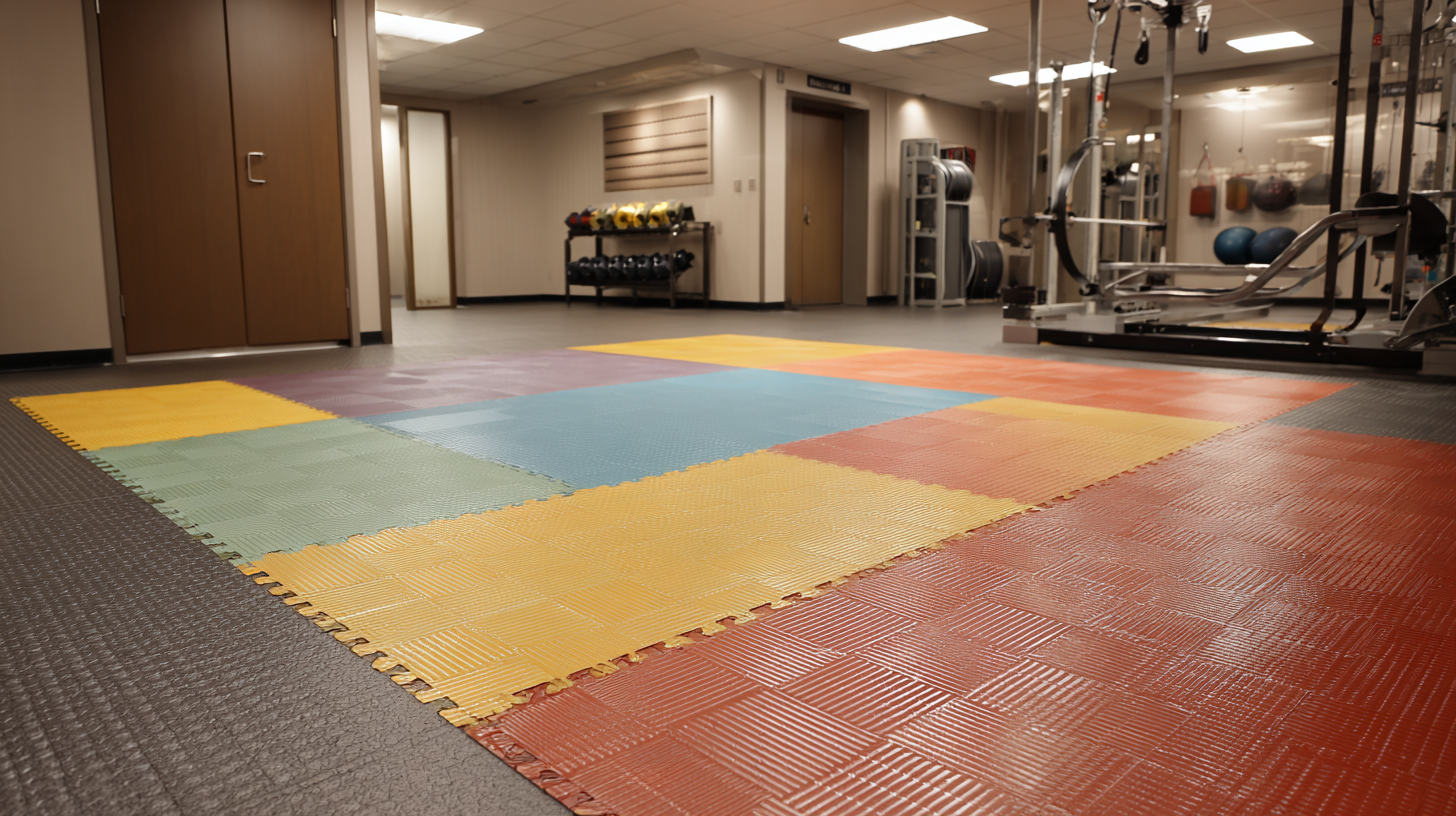
When you’re checking out different types of rubber flooring, don’t forget to look at the thickness and density of the tiles. Generally, the denser ones tend to hold up better and last longer, which is definitely a plus if you’ve got a busy, high-traffic area. Also, the surface texture is something to consider — textured surfaces can help prevent slips, especially in places like gyms or healthcare facilities. Pro tip: aim for rubber flooring with at least a Shore A hardness of 60. It strikes a good balance between being comfortable and durable enough for commercial use.
Another thing to keep in mind is how the flooring gets installed. Interlocking tiles are a real lifesaver since they’re easy to put down and even easier to replace if something gets damaged. And of course, don’t forget about style! Rubber flooring comes in tons of colors and patterns, so you can still match your brand or vibe while keeping it functional. As you browse your options, try to pick something that ticks both your design boxes and your durability needs — it’s all about finding that sweet spot.
How to Evaluate Durability and Maintenance Needs for Rubber Tiles
When you're in the market for rubber flooring tiles for a commercial space, it’s really important to think about how durable they are and what kind of upkeep they’ll need. I read a report by IBISWorld that says the rubber flooring market has been growing steadily at about 2.4% a year, which kind of shows how more people are looking for eco-friendly and tough flooring options. Usually, durability comes down to the thickness of the tiles—thicker ones tend to hold up better against wear and tear. Most good quality rubber tiles are somewhere between 5mm and 10mm thick, and that’s usually enough to handle lots of foot traffic—something pretty much every busy commercial space needs.
And don’t forget about maintenance! It’s actually pretty straightforward with rubber flooring. Research suggests these tiles need less fuss compared to other types, mainly because they’re naturally resistant to stains and moisture. The Rubber Manufacturers Association says that all you need to do is occasional cleaning with mild detergents and steer clear of harsh chemicals—those can actually cut the lifespan of your tiles. If you keep up with proper care, rubber flooring can last more than 20 years, which makes it a smart, cost-effective choice for businesses wanting to keep long-term costs down.
Choosing the Right Design and Aesthetic for Your Commercial Space
When you're designing a commercial space, let's be honest, the look of your flooring really sets the vibe. Sanhe Do It The Way Sporting Industrial Co., Ltd. knows this all too well—they stress the importance of choosing innovative, high-performing flooring that balances style with practicality. For example, FITFLOR offers a range of rubber tiles that not only boost the visual appeal of your place but are also super durable—perfect for busy areas where a lot of foot traffic happens.
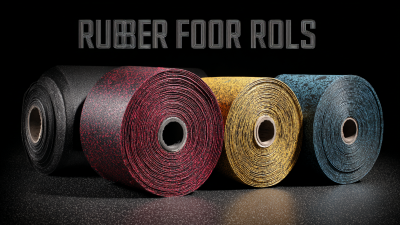
Here's a little tip: think about the overall feel or theme you're going for in your space. Are you going for a sleek, modern vibe or maybe something lively and energetic? The color and texture of your rubber floors can totally change the game, so pick shades that work well with your existing decor and help create a cohesive look across the whole facility.
And don't forget to keep functionality in mind too. Sure, your floors should look good, but they also need to hold up and be safe for everyone walking on them. Choosing slip-resistant, easy-to-maintain rubber tiles can make a huge difference—they keep your space safe and looking great, without sacrificing style. When you get it right, you'll have a space that's not just pretty but also practical and welcoming.
How to Choose the Best Rubber Flooring Tile for Your Commercial Space
| Type of Rubber Flooring | Thickness (mm) | Color Options | Sound Absorption (Noise Reduction) | Slip Resistance Rating | Ideal Commercial Space Application |
| Interlocking Tiles | 8-10 mm | Black, Grey, Blue, Red | 25 dB | ASTM C1028 Score 0.70+ | Gyms, Play Areas, Workshops |
| Roll-Out Rubber | 3-6 mm | Green, Brown, Grey, Custom Colors | 20 dB | ASTM C1028 Score 0.75+ | Retail Spaces, Showrooms |
| Luxury Vinyl Tiles with Rubber Backing | 4-8 mm | Various Textures and Colors | 22 dB | ASTM C1028 Score 0.80+ | Offices, Hospitality Spaces |
| Sheet Rubber Flooring | 2-4 mm | Minimalist Colors, Custom Patterns | 28 dB | ASTM C1028 Score 0.60+ | Hospitals, Laboratories |
Budgeting: Cost Considerations for Rubber Flooring Installation and Maintenance
When you're figuring out how much to spend on putting down rubber flooring in your business space, it's really important to think about both the initial costs and what you'll be paying over time for maintenance. The price of good-quality rubber tiles can really vary — stuff like thickness, design, and the brand's reputation all play a role. At Sanhe Do It The Way Sporting Industrial Co., Ltd., we’ve got our FITFLOR products that blend cool, modern design with practical function. There’s a bunch of options to fit different budgets, all while making sure safety and performance aren’t compromised.
Here’s a little tip: take a moment to really evaluate what your space needs before jumping into flooring decisions. For example, if you're dealing with areas that get a ton of foot traffic, you'll probably want something more durable—sure, it might cost a bit more upfront, but it’ll save you money in the long run by not having to replace it so often. Also, don’t forget about maintenance—some types of flooring are more low-maintenance, which can make a big difference on your overall costs.
Another thing to keep in mind is the installation. Hiring pros might add to your expenses at first, but it’s usually worth it because they’ll make sure everything’s laid properly for maximum durability and safety. It’s smart to get quotes from a few different contractors and chat about warranties—after all, it's an investment. Bottom line: high-quality rubber flooring not only makes your space look better but also ensures a safe environment for your staff and clients. Trust me, it’s totally worth considering the long-term benefits.
Enhance Your Workout Space: The Ultimate Guide to Rubber Tile Max Gym Flooring for Strength Training Areas
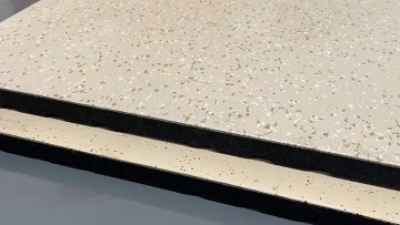
When it comes to optimizing your strength training area, choosing the right flooring is crucial. The Rubber Tile Max Gym Flooring stands out as an exceptional choice, particularly designed to enhance your workout space. This flooring features a unique construction with a 2mm virgin rubber surface layer, ensuring durability and resilience. Beneath this, a combination of 16 mesh rubber tire granules enhances both shock absorption and noise reduction, making it ideal for high-impact exercises. According to industry reports, proper flooring can reduce impact forces by up to 50%, significantly decreasing the risk of injury during strenuous workouts.
Moreover, the Rubber Tile Max boasts impressive support strength and friction properties, which means that it can withstand heavy weights and repeated impacts without compromising its integrity. In fact, studies show that gym flooring designed for strength training can enhance performance by providing a stable and secure surface for squats, deadlifts, and other free weight exercises. This is essential not only for athlete performance but also for maintaining the longevity of your equipment and flooring. Investing in high-quality rubber tiles is an effective way to ensure safety and optimize workout results in your gym environment.
FAQS
: Key factors include durability, slip-resistance, aesthetic appeal, and maintenance requirements. Look for tiles with high tensile strength, a wear layer of at least 4mm, and a coefficient of friction rating above 0.6 for safety.
Slip-resistance is crucial to reduce the likelihood of slips and falls, especially in high-traffic areas. A coefficient of friction (COF) rating above 0.6 is recommended for safety.
Choose tiles made from high-quality rubber that can withstand heavy foot traffic and equipment usage, and establish a proper maintenance plan that includes regular cleaning with non-abrasive agents.
Upfront costs for rubber tiles can vary based on thickness, design, and brand. It's essential to also consider long-term maintenance costs and potential professional installation expenses.
Yes, ordering samples is a helpful tip as it allows you to test for comfort, color, and texture in your specific environment before making a final decision.
Establish a cleaning schedule that includes daily and weekly maintenance tasks, using non-abrasive cleaning agents to ensure the flooring remains in top condition.
Yes, professional installation can incur additional costs but is recommended as it ensures optimal performance and longevity of your flooring.
Rubber flooring comes in various colors and textures, allowing you to enhance the visual appeal of your space while also providing practical benefits such as safety and durability.
High-traffic areas may require more durable materials, which could be pricier initially but will save money on replacements and maintenance in the long run. Evaluate your space’s requirements before making a decision.
Conclusion
When you're choosing the perfect rubber flooring tiles for your commercial space, it’s really important to get a good sense of all the great benefits these tiles can offer. They’re actually designed with places like sports venues and gyms in mind — providing a safe, sturdy, and good-looking surface that can boost performance and help cut down on injuries. Honestly, understanding your specific needs and what rubber can do for you can make a big difference in picking the right type.
Some key things to keep in mind are the different kinds of rubber flooring out there, how durable they are, what kind of upkeep they require, the design choices available, and of course, your budget. Taking the time to compare different options and see how well they stand up over time will help you find something that ticks all the boxes—practical and stylish. With a bit of planning and consideration, rubber flooring tiles can totally up your game, turning your commercial space into a high-energy training spot that really reflects the innovative vibe of FITFLOR.